
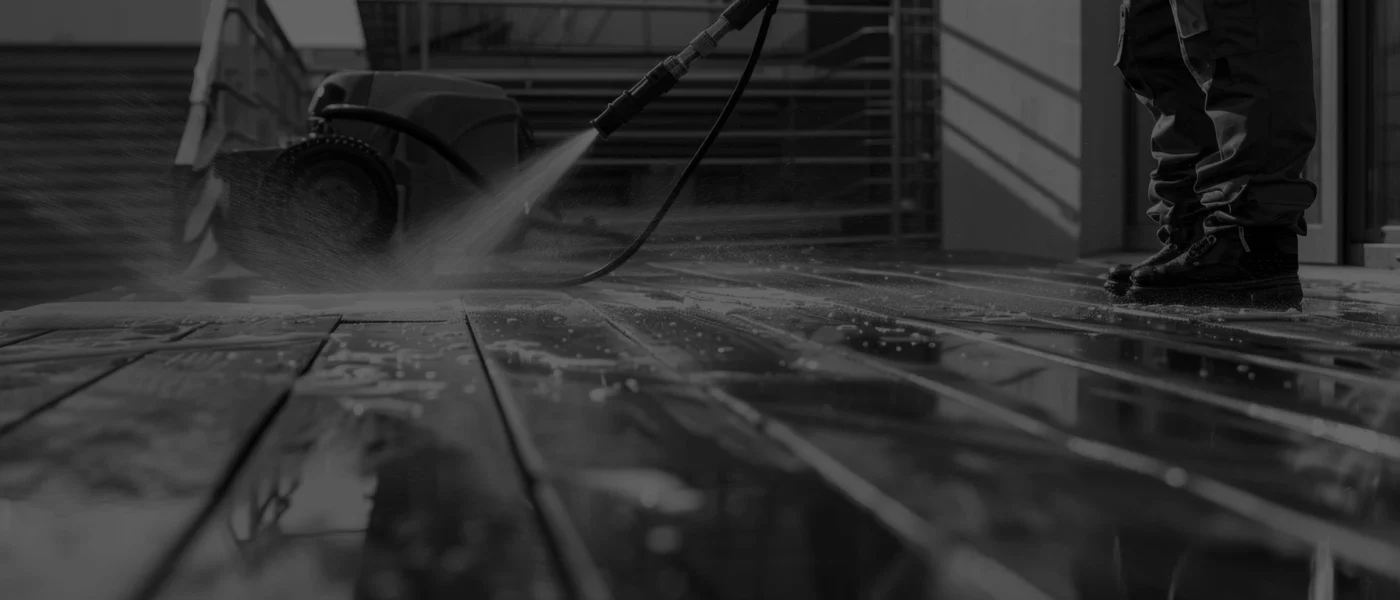
The building was finished. The outside hadn’t got the memo.
There is a strange moment at the end of a construction project when everybody starts talking about the finished building, but the building itself still has a few things to say.
The windows are in, the doors are fitted, the landscaping is taking shape and the handover is getting closer. Then somebody looks at the outside walls, the paths or the entrance and realises that the final picture is not quite the one they had in mind.
It happens more often than people might expect. A new apartment development in Dublin recently needed its exterior cleaned after the construction work had left the outside in poor condition. Pinnacle Portfolio carried out heated softwashing to tackle the problem. It is a useful reminder that finishing a building and getting it ready to present are not always the same thing.
The walls tell a different story
Stand across the road from a commercial building and the first impression is usually about its shape, windows and general appearance. Walk closer and the smaller details begin to take over.
Dark marks below window sills. Uneven discolouration around drainage points. Dirt gathered in corners that rarely get much attention. A greenish film on a shaded wall. None of these details necessarily means something serious is wrong, but they can change how the whole property looks.
The awkward part is that exterior dirt rarely spreads evenly. One section of a building can look perfectly presentable while another, perhaps facing away from the main road, looks as though it belongs to a different property. Rainwater, exposure, shade and the shape of the building all influence where deposits collect.
That is why a quick glance from the car park is not always enough. Walk around the building. Look at the corners, the areas beneath ledges, the entrance canopy and the walls beside service doors. Those are often the places that change the overall impression.
Follow the water
Water leaves clues. Streaks running down a wall, dark patches around a drain or persistent damp-looking areas can tell you where moisture travels and where dirt is being deposited.
Dublin’s weather makes this particularly relevant. According to Met Éireann’s 1991–2020 climate averages for Dublin Airport, the area receives approximately 772.5 mm of rainfall annually, with more than 180 days a year recording at least 0.2 mm of rain.
That is a lot of opportunities for water to move across exterior surfaces, carry material with it and leave deposits behind. The building’s design matters too. A projecting ledge, a poorly positioned outlet or a sheltered section that dries slowly can create a very different pattern from the wall beside it.
Cleaning can improve the appearance of these areas, but recurring marks deserve a closer look. If the same streak returns shortly after the surface has been cleaned, it is worth checking whether water is being directed onto the wall or whether another underlying issue needs attention.
The part nobody photographs
Most commercial properties have a front that visitors see first. There may also be a side entrance, a delivery area, a bin store or a stretch of paving behind the building that rarely features in photographs.
These areas tend to accumulate the everyday evidence of a working property. Foot traffic, vehicle movements, general dirt and moisture all contribute. They might not be visible from reception, but staff, contractors and delivery drivers use them regularly.
There is a practical reason to include them in an exterior maintenance plan. A clean entrance at the front cannot compensate for neglected access routes elsewhere, particularly when those areas are part of the daily operation of the business.
It is also worth looking at the property from the perspective of someone who has never visited before. Where would they park? Which door would they use? What would they see while walking around the side of the building? The answers often reveal areas that have been overlooked simply because the people working there have become used to them.
Clean-looking is not the same as safe
Exterior maintenance is not purely cosmetic. Paths, steps, ramps and entrances need attention because people use them in all kinds of weather.
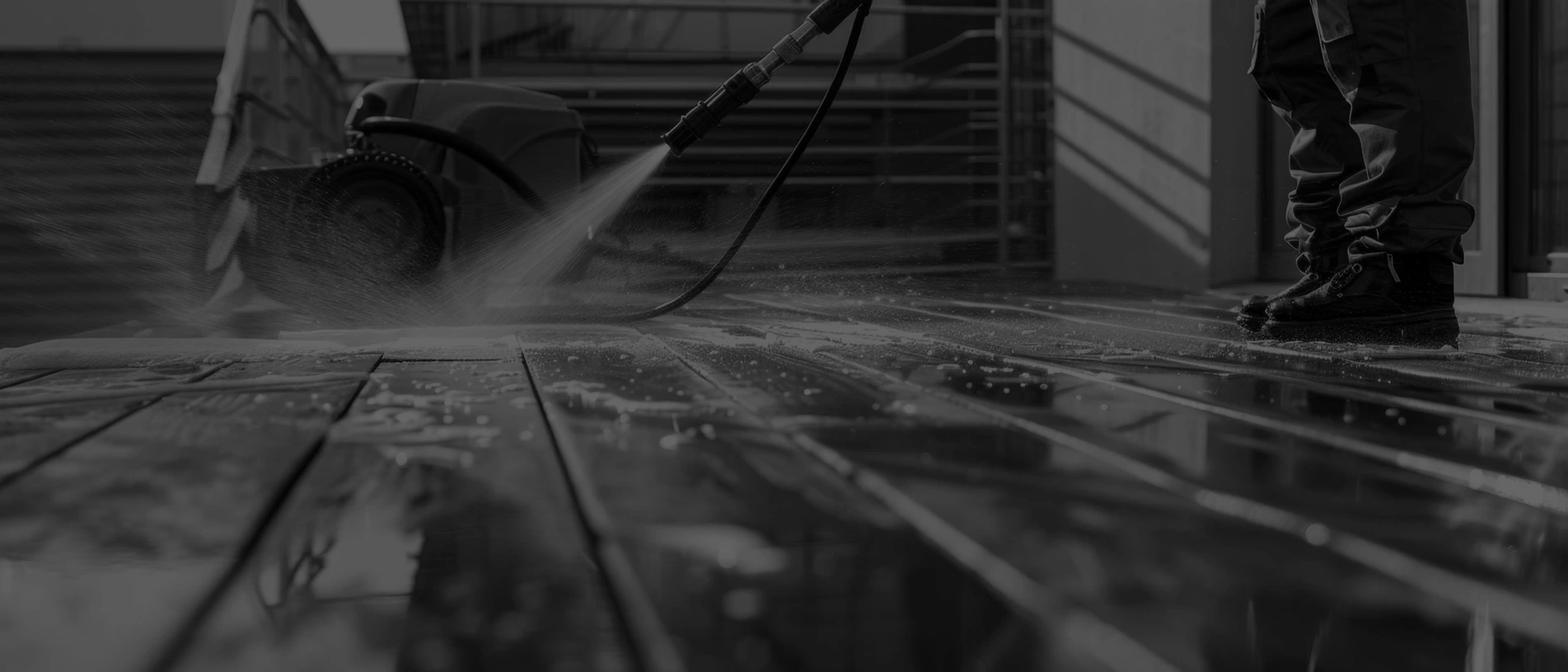
Algae, organic growth and accumulated grime can contribute to slippery conditions, especially where surfaces stay damp or receive little direct sunlight. A path that looks acceptable during a dry afternoon may behave very differently after rain.
The Health and Safety Authority’s guidance on slippery surfaces highlights the importance of recognising and managing these risks. For property managers, that means looking beyond the appearance of a surface and considering how it is used, its condition and the circumstances in which it may become hazardous.
Cleaning can form part of that maintenance, but it is not a substitute for inspecting damaged paving, dealing with drainage problems or repairing defective surfaces. Those issues need to be addressed on their own merits.
Choosing the right way to clean it
There is no single cleaning method that suits every exterior. The material, the type of contamination, the age of the surface and the surrounding environment all affect what is appropriate.
A robust hard surface may tolerate a different approach from painted render, delicate cladding or an older masonry wall. Applying excessive pressure to the wrong material can cause damage rather than solve the problem. Equally, a method that works well on one type of deposit may be ineffective on another.
This is why the assessment should come before the equipment. The aim is to identify what needs removing and choose a suitable process, rather than assume that more pressure or more aggressive cleaning will produce a better result.
For some buildings, a softwashing approach may be more appropriate. In other situations, a different method may be required. The important thing is to match the treatment to the surface and the condition of the property.
Pinnacle Portfolio provides exterior cleaning services for commercial properties and buildings. You can find out more about the available options on the exterior power washing cleaning page.
A walk around the building can save a lot of guesswork
Exterior maintenance does not always begin with a major cleaning job. Sometimes it begins with a walk around the property and a more honest look at what is happening outside.
Look for marks that keep returning, areas where water collects, shaded paths that remain damp and entrances that receive more use than they appear to. Check the parts of the building that are easy to ignore. Make a note of anything that looks different from the last inspection.
The point is not to clean every surface simply because it exists. It is to understand the condition of the property, decide what needs attention and avoid letting small maintenance issues become an expensive surprise.
A building can be structurally sound and still look neglected from the outside. It can also look clean while having problems that a wash alone will not fix. Knowing the difference is what makes a sensible maintenance plan useful.
To learn more about Pinnacle Portfolio and its commercial cleaning services, visit the Pinnacle Portfolio homepage.