

How to Plan the Final Cleaning Stage of a Construction Project
Cleaning is often one of the last things considered on a construction project, even though it can have a direct effect on how and when a building is ready for use. By the time the final stage of a project arrives, there may be several trades finishing their work, materials being moved around, and a growing pressure to meet the completion date.
Knowing when to bring the cleaning team onto the project can make this stage much easier to manage. Start too early and completed areas can quickly become dirty again. Leave it too late and there may not be enough time to properly prepare the building before inspection, occupation, viewing, or handover.
The Final Stage Should Follow the Main Construction Work
The final cleaning stage should normally begin when the work that creates the greatest amount of dust, debris, and residue has finished. This does not necessarily mean that every person has left the site, but the building should be close to its finished condition.
Sanding, drilling, cutting, plastering, painting, flooring installation, joinery, electrical work, and other finishing activities can all leave additional material behind. If several of these jobs are still taking place throughout the building, it is usually too early for a detailed clean.
The timing becomes particularly important on larger projects. A cleaner may spend hours preparing a finished area only for another contractor to return and create more dust or marks. Coordinating the work properly avoids having the same areas repeatedly cleaned.

Look at What the Remaining Trades Are Doing
A useful way of deciding when cleaning should begin is to look at the work that is still outstanding rather than simply looking at the project calendar.
If the remaining jobs involve drilling into walls, cutting materials, sanding surfaces, applying paint, installing flooring, or carrying large quantities of materials through the building, those areas are probably not ready yet. If the remaining work is limited to minor adjustments or inspections in specific locations, cleaning can often begin elsewhere. Our Post Builder Clean experts can make this assessment for you.
This is why larger construction projects often benefit from a phased cleaning programme. Completed apartments, offices, rooms, corridors, or other areas can be dealt with as they become available instead of waiting for the entire building to reach exactly the same stage.
Why Starting Too Soon Can Create Extra Work
It can be tempting to start cleaning as soon as a section of the project looks finished. In practice, this can create more work than it saves.
For example, a floor may be cleaned in the morning and then covered with dust after a contractor cuts materials nearby. Windows may be cleaned before another trade carries equipment through the room. Newly cleaned surfaces can also collect dust when finishing work is still taking place above or beside them.
None of this means that cleaning should be left until the very end. It means that the sequence needs to be considered carefully. Cleaning the right areas at the right time is usually more effective than trying to clean the entire project as early as possible.
Include Cleaning in the Overall Project Plan
Final cleaning should be treated as one of the tasks leading towards completion rather than something that is arranged once everything else has finished. The Capital Works Management Framework guidance on the implementation stage of construction projects covers the management of construction works through to project completion and handover. That same approach makes sense when planning the cleaning work: it should be considered alongside the other activities required to bring the building to completion.
This is particularly useful when several contractors are working towards the same deadline. The site team can identify when individual areas are expected to become available, while the cleaning company can plan staff, equipment, access, and working time around those dates.
It also reduces the chance of cleaning becoming a last-minute job. If the handover date is already fixed, working backwards from that date can help establish when each section needs to be ready for cleaning and when there needs to be time for a final inspection.
Coordinate Cleaning With the Site Schedule
The cleaning team should ideally be given some visibility of the construction programme. Knowing when individual areas are expected to become available makes it easier to allocate people and equipment and prevents cleaners from arriving before a space is ready.
Communication is particularly important where several contractors are working at the same time. Electricians, plumbers, painters, flooring installers, carpenters, kitchen installers, and other trades can all affect the condition of a property during the final weeks of a project.
A simple schedule showing when areas will be available for cleaning can make a noticeable difference. It also gives the site manager a clearer picture of what needs to happen before the building can be inspected or occupied.
What Should Be Ready Before Cleaning Begins?
There is no universal checklist for every project, but several things should normally be dealt with before the final cleaning stage begins. These can include:
- Major construction materials removed from the areas being cleaned
- Heavy drilling, cutting, and sanding completed
- Painting and decorating substantially finished
- Flooring installation completed
- Permanent fixtures and fittings installed
- Kitchens, bathrooms, and other fitted areas substantially complete
- Tools and unnecessary equipment removed from finished areas
- Outstanding work that could create significant dust or debris completed
The more complete these stages are, the more productive the final cleaning period becomes. The cleaning team can concentrate on detailed preparation rather than working around unfinished construction.
Allow Enough Time Before the Building Is Needed
The cleaning schedule should not be based solely on the day the building is due to be handed over. Ideally, there should be a reasonable gap between the completion of cleaning and the final inspection or occupation.
This gives the project team time to walk through the property and identify anything that needs attention. It also provides some protection against unexpected delays elsewhere in the project.
On a smaller property, this may only require a short period. A larger development can be very different, particularly when dozens of rooms or individual units need to be prepared. Trying to complete everything overnight creates unnecessary pressure and leaves little room for mistakes or additional work.
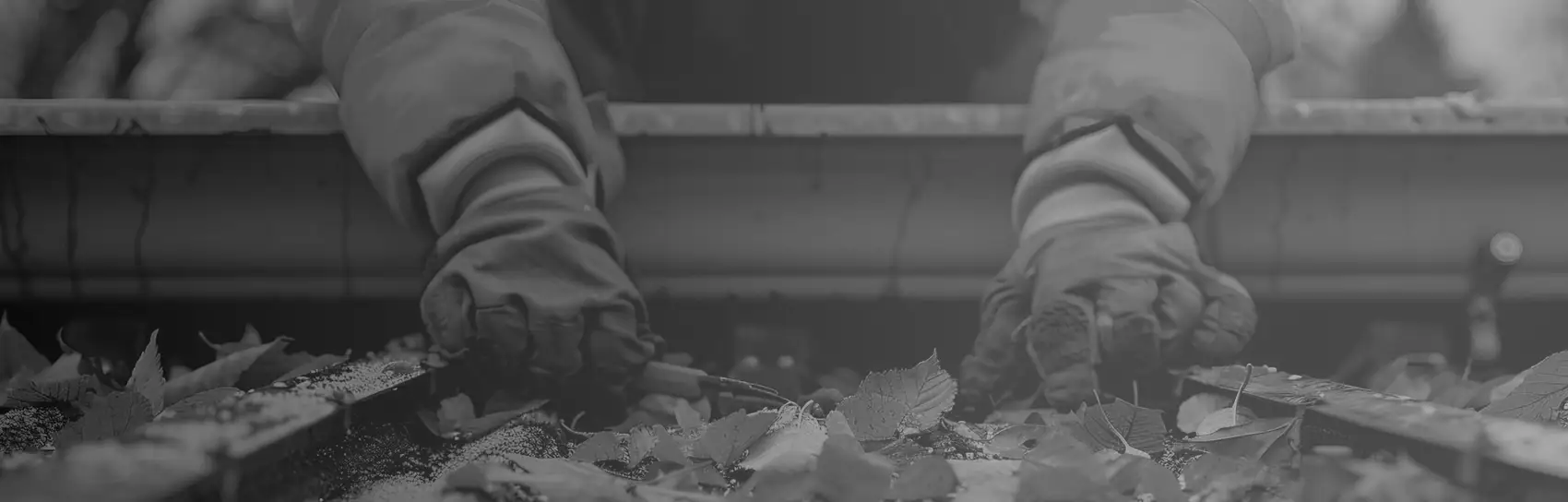
Cleaning Large Construction Projects in Stages
Large developments rarely reach completion in one simple step. Different floors, apartments, offices, communal areas, entrances, and facilities may become available at different times.
Rather than waiting for the entire project to finish, cleaning can sometimes be organised around these individual stages. Once an area has been signed off by the relevant trades, it can be prepared while construction continues elsewhere.
This approach can be especially useful on apartment developments and commercial fit-outs, where completed sections may need to be presented or inspected before the rest of the project is finished.
Residential and Commercial Projects Need Different Approaches
The right timing also depends on what type of property is being prepared. A house renovation may have only a small number of trades working towards the same completion date. A commercial project can involve much more coordination, with furniture, glass partitions, electrical systems, flooring, kitchens, meeting rooms, and equipment all being installed during the final stages.
Apartment developments create another set of challenges. Individual units may become ready at different times, while corridors, staircases, entrances, lifts, and communal facilities may follow a separate schedule.
The cleaning programme therefore needs to reflect the way the construction project itself is progressing rather than relying on a fixed number of days before completion.
The Importance of a Final Walk-Through
Once the main cleaning work has been completed, a final walk-through is worthwhile. This does not have to be complicated. The project team can check floors, glazing, surfaces, kitchens, bathrooms, entrances, and other visible areas to make sure the property is ready for its next stage.
A walk-through can also reveal areas that were affected by activity after they were cleaned. If another contractor has needed to return to a finished room, for example, that area may need a quick check before the building is signed off.
Taking care of these details before the final inspection is generally much easier than discovering them when the property is already being shown to a client, purchaser, tenant, or occupier.
Plan the Cleaning Before the Project Reaches Its Final Weeks
The best time to discuss construction project cleaning is well before the final deadline. Early planning gives the site team and cleaning company an opportunity to discuss access, the size of the property, the number of areas involved, the expected completion sequence, and any fixed inspection or occupation dates.
This is particularly useful in Dublin, where construction projects can involve several contractors and tight completion schedules. A cleaning plan that is agreed in advance is less likely to become an urgent last-minute task.
At Pinnacle Portfolio, cleaning services can be arranged around the individual requirements of construction, renovation, residential, and commercial projects. Discussing the schedule in advance helps ensure that the cleaning stage fits naturally into the wider programme.
Final Thoughts
The final stage of construction project cleaning should generally begin once the major work that creates dust, debris, and surface residue has been completed. It should also be early enough to allow the property to be inspected and any remaining issues dealt with before the building is needed.
There is no single number of days that works for every project. The condition of the building, the number of contractors still working, the size of the property, and the deadline for completion all need to be considered.
With the cleaning schedule included in the project programme from the outset, the final weeks of construction can be more organised and the finished property can be presented in the condition expected at completion.
To find out more about Pinnacle Portfolio and its property cleaning services, visit the Pinnacle Portfolio home page.